
You may have heard that electric cars are known as zero-emission vehicles. Maybe the reason is that they don’t emit exhaust from a tailpipe. In reality, they do leave an impact on the environment. This can seem more complicated. Because here, you have to understand how they are made, how they are powered, and how they are disposed of, and the 10 reasons why electric cars are bad for the environment.
EVs do benefit us in some scenarios. But there are some significant environmental concerns, too. You have to understand them as well before you call them truly “green.”
Reasons Why Electric Cars Are Bad For The Environment
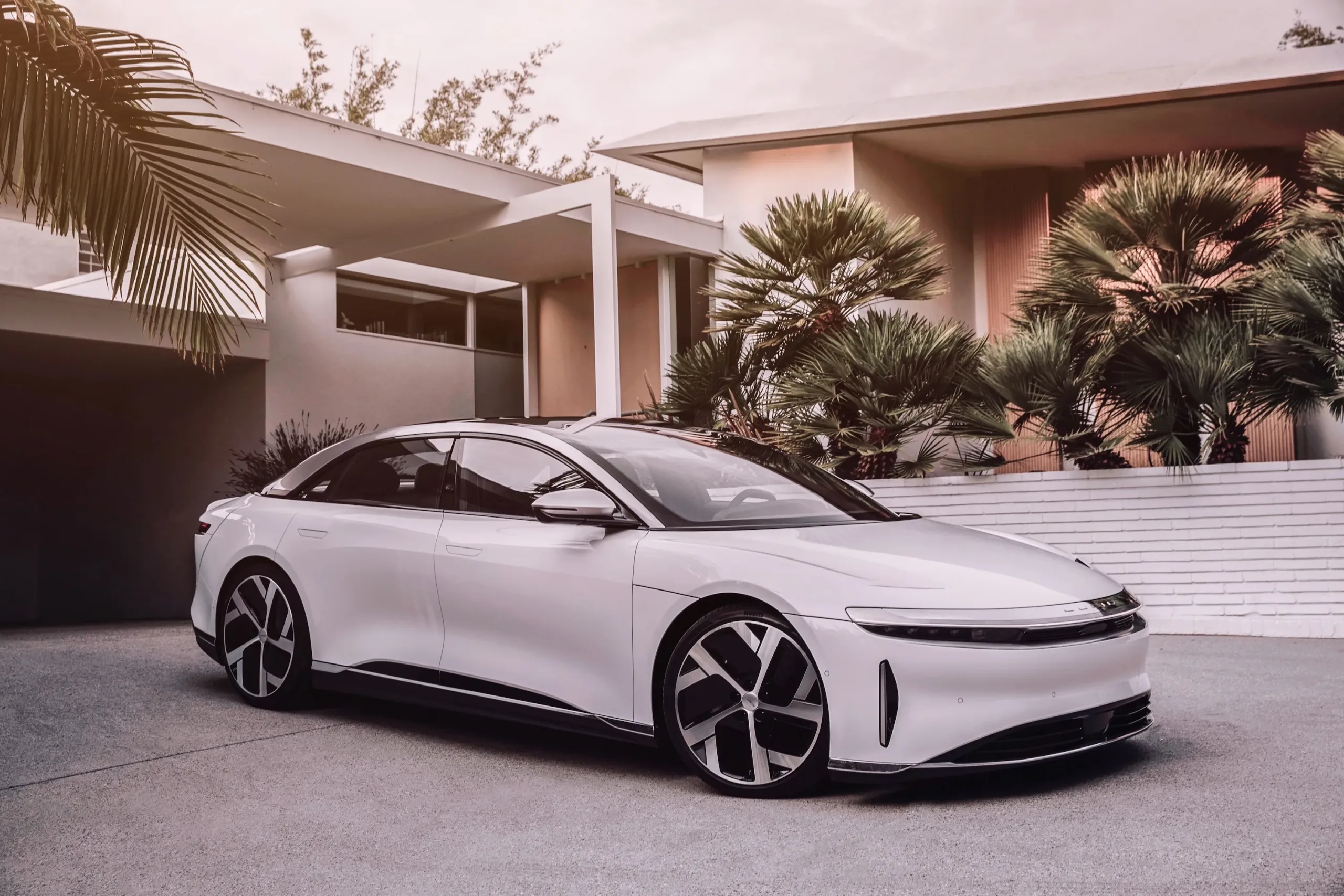
electric car
1. Battery Production Has a Large Carbon Footprint
While manufacturing electric vehicles, manufacturers often use large lithium-ion battery packs. And producing these components requires a lot of energy.
For example, here you have to mine and refine the raw materials like lithium, cobalt, and nickel. This releases significant emissions. It is comparable to or even greater than making a gasoline car.
2. Mining Rare Materials Damages Ecosystems
Electric car batteries rely on metals. The metal must again be mined from the earth. As a result, we see deforestation, habitat disruption, water pollution, and soil contamination. They also require large open-pit mines for lithium and other minerals. Which again can disrupt ecosystems and local water supplies.
3. Electricity Used to Charge EVs May Still Cause Pollution
Electric cars don’t produce tailpipe emissions. But they do produce emissions indirectly. The electricity for EVs comes from coal-, natural gas-, or oil-powered grids. In some regions, fossil fuels still generate most of the electricity. This reduces the environmental benefit of an EV. And in some cases, it approaches the emissions of a traditional vehicle.
4. Battery Disposal and Recycling Are Environmental Challenges
EV batteries don’t last forever. They may last for about 8 to10 years. After that, their capacity drops, and that’s when you need a replacement.
Disposal of spent batteries poses significant challenges. It’s because they contain toxic materials and are not easy to recycle. But if you dispose of them improperly, it can lead to soil and water contamination.
5. EVs Are Heavier and Cause More Tire Pollution
Generally, EV batteries are heavy. That’s why electric cars weigh more than gasoline vehicles. Meanwhile, heavier cars lead to greater tire and brake wear. This, in turn, releases microplastic particles into the environment. Microplastics are a serious source of pollution and health issues.
6. Electric Car Batteries Use Toxic Chemicals
To produce EV batteries, manufacturers use dangerous chemicals. These can harm the ecosystem if they are mishandled. Also, some materials in EV batteries can harm the environment if released. This can be through spills or poor disposal. As a result, we get to see contamination of soil and groundwater.
7. Electric Cars Still Rely on Energy-Intensive Manufacturing
Aside from batteries, the rest of the vehicle also requires other things. Such as energy, materials, and emissions. While manufacturing the entire vehicle, you will need to design and build the motors and power electronics. This process consumes a significant amount of energy derived from fossil fuels.
8. Charging Infrastructure Places New Demands on the Power Grid
As EV adoption increases, this puts pressure on existing power systems. If the demand is more than the vehicle’s capacity, it may have to rely on fossil fuels. Or maybe fossil fuels can serve as a backup system for it. As a result, it will require more electricity generation from polluting sources. Then it will negate some of the emissions savings from electric drivetrains.
9. Hidden Emissions Still Exist Outside the Vehicle
Electric cars don’t emit carbon monoxide or nitrogen oxides from a tailpipe. They make emissions from power plants. That helps generate their electricity. Here, you can find those gases and others like sulfur dioxide. As a result, we get to see air pollution and acid rain.
10. Electric Cars Are Not Fully Sustainable Yet
There’s a common misconception that electric cars are completely eco-friendly. In reality, they are only as clean as the electricity they run on. They get power through electricity, which helps them to handle and source their components.
High-performance EVs definitely give some environmental drawbacks. They can’t fully contribute to renewable energy, ethical sourcing, and advanced recycling. However, they can reduce certain emissions equivalent to those of gasoline vehicles.
Beyond Tailpipe Emissions: A Broader View
One of the biggest misunderstandings about electric cars is that they produce no pollution. This is only true for the vehicle’s operation emissions. But for the full lifecycle, from mining to disposal, they do produce pollution. But at the same time, you have to understand the real environmental costs behind it.
Do Electric Cars Produce Carbon Monoxide?
Electric cars do not produce carbon monoxide from the vehicle itself. It’s because electric cars don’t have combustion engines. However, they have power plants that generate their electricity. This might emit carbon monoxide and other pollutants, depending on the power source.
Hidden Dangers of Electric Cars
Whatever drawbacks we discussed so far were evident. But electric cars also pose some drawbacks that are not as evident. For example, EVs include:
- Battery fires are harder to extinguish, and in some cases can release toxic gases.
- Social and ethical issues related to mining raw materials. This can be exploitation and unsafe labor conditions in some regions.
- Waste disposal challenges occur when batteries reach the end of their life without adequate recycling systems.
Cons of Owning an Electric Vehicle vs Gas Vehicles
It’s true that electric vehicles are harmful to the environment. But what are the other disadvantages you can get personally? Let’s see:
- Lifespan differences: EV batteries degrade and eventually require expensive replacement. This affects the total environmental impact.
- Energy mix dependency: EV lifecycle emissions may approach or exceed those of efficient gasoline cars. It’s evident in regions that rely on coal or gas for electricity.
- Resource scarcity: We know that earth elements and battery metals are rare. This can be environmentally taxing to extract.
Is the Environmental Debate Settled?
No. Electric cars are generally better for reducing tailpipe emissions. But that’s only one part of an extremely complex lifecycle. If you want to make EVs truly environmentally friendly, you have to focus on more than just one thing. Such as cleaner electricity and ethical, sustainable mining. Only then can you create a robust recycling infrastructure.
Final Thoughts
No doubt, electric cars reduce certain types of pollution. But that doesn’t make them a perfect solution. They still have some environmental impacts. Such as mining, manufacturing emissions, electricity sources, waste disposal challenges, and infrastructure demands.
If you can get these 10 reasons mentioned above, you can be more certain about EVs and some exotic car rentals. Even buyers, policymakers, and communities can make informed decisions about the role of electric and high-performance vehicles. Hopefully, then we can see a truly sustainable future.
Frequently Asked Questions
Do electric cars produce carbon monoxide?
No, electric cars do not produce carbon monoxide from their tailpipe. It’s because they do not burn gasoline or diesel. Also, there is no exhaust system in an EV. However, emissions can still occur indirectly. Especially during electricity generation, if the power comes from fossil fuels.
Do electric cars produce carbon monoxide at all?
An electric car itself does not produce carbon monoxide while driving. It can happen when the vehicle is charging. Especially when the electricity comes from coal- or natural gas-fired power plants, carbon monoxide and other pollutants are produced. So, carbon monoxide may be produced during electricity generation.
Is lithium mining harmful to the environment?
Yes, lithium mining can impact ecosystems. This can happen while using large amounts of water, disrupting local wildlife habitats. Or creating chemical waste
Are electric car batteries recyclable?
EV batteries can be recycled, but the infrastructure for their recycling is still developing. Currently, only a portion of battery materials is fully recovered and reused. If people adopt more EVs, it can be difficult to recycle them later.
Will electric cars become more environmentally friendly in the future?
Many experts believe EVs can be environmentally friendly in certain cases. Like, we have to improve battery technology, recycling systems, and the adoption of renewable energy. Only then can we reduce the environmental downsides of electric vehicles. However, the main impact still depends on the sources of their energy and manufacturing processes.